.png)
What Is Automated Research Synthesis and Why It Matters
Introduction
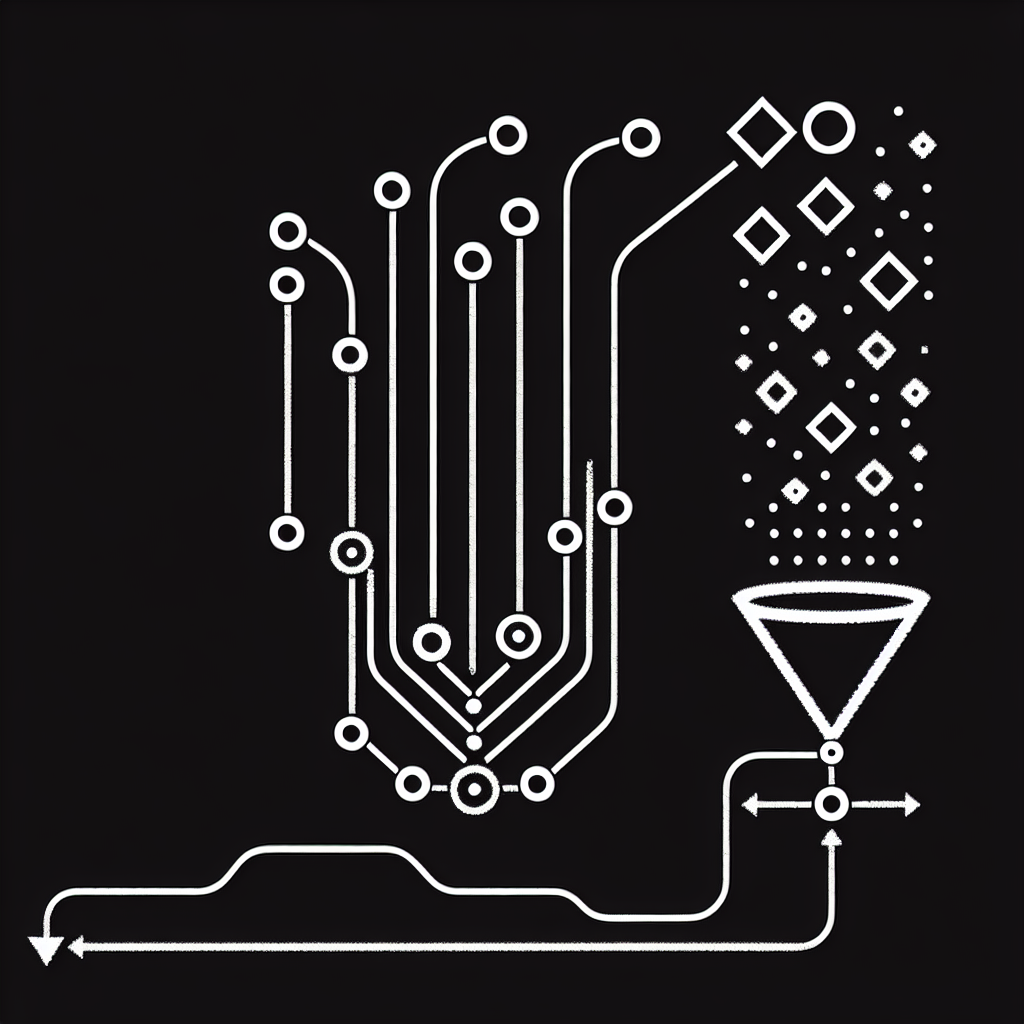
Automated research synthesis is the use of AI to continuously combine, code, and summarize insights from many research sources into decision-ready themes. Instead of manually re-reading surveys, interviews, and support logs, teams use automated research synthesis to keep a living, up-to-date picture of what customers need and why.
For a product or research team drowning in open-ended feedback, this means less time copy-pasting into slides and more time shaping strategy. Imagine weekly digests that show how themes in NPS comments, user interviews, and support tickets are shifting—without starting analysis from scratch every time.
In practice, this might look like a product trio (PM, designer, researcher) opening a Monday morning dashboard that highlights: “Onboarding confusion is up 18% week-over-week, especially among new enterprise admins,” with direct quotes attached. Instead of asking, “What’s going on?” they can immediately move to, “What experiment do we run this sprint?”
Automated research synthesis also helps teams move beyond simple keyword search or basic sentiment analysis. Drawing on ideas from evidence synthesis in medicine—like those described in Artificial intelligence for the science of evidence synthesis (https://pmc.ncbi.nlm.nih.gov/articles/PMC12376440/)—modern tools can triangulate across multiple sources and surface patterns that would be hard to spot manually.
The Challenge
Traditional synthesis methods were built for small, one-off projects, not continuous streams of qualitative data. As feedback volumes grow, manual workflows start to break.
Common pain points include:
- Hours or days spent coding open-text responses by hand
- Inconsistent themes across projects and researchers
- Difficulty connecting qualitative themes to metrics like churn, NPS, or feature usage
- Static reports that are outdated as soon as the next survey wave lands
Researchers end up firefighting: rushing to deliver a deck instead of maintaining a reliable, evolving evidence base. Valuable nuance gets lost, and teams struggle to spot emerging issues early.
Consider a team running quarterly CSAT surveys, monthly NPS, ongoing user interviews, and a busy support queue. Without automated research synthesis, each initiative becomes its own island: different spreadsheets, different tags, different owners. When leadership asks, “What are the top three drivers of churn this quarter, and how have they changed since last year?” the team must scramble to re-open old decks, re-code new responses, and reconcile conflicting taxonomies.
This problem mirrors what academic teams face when conducting systematic reviews across thousands of papers. As Northeastern University’s guide on Systematic Reviews and Evidence Syntheses: Automation & AI (https://subjectguides.lib.neu.edu/systematicreview/automation) notes, manual screening and extraction simply don’t scale. Insight teams are now in a similar position with customer feedback.
How InsightLab Solves the Problem
After understanding these challenges, InsightLab solves them by turning your qualitative and mixed-methods data into an automated, living synthesis pipeline.
InsightLab ingests open-ended surveys, interviews, call notes, and more, then applies AI-powered coding, clustering, and trend detection so you can focus on interpretation instead of manual tagging. It builds on the same principles you may already use in thematic analysis, affinity mapping, and insight generation from qualitative data, but at a scale manual methods can’t match.
Key capabilities include:
- Automated coding of open-text into consistent themes and subthemes
- Smart clustering that groups related feedback across channels and time
- Living codebooks that update as new topics and language emerge
- Trend views that show which themes are rising, stable, or declining
- Integrations with your existing research and feedback sources for always-on updates
This is automated research synthesis designed for modern product, CX, and UX teams.
For example, a B2B SaaS company might connect its NPS tool, support platform, and interview notes to InsightLab. Within days, the team sees that “billing confusion” is a small but fast-growing theme among high-value accounts, correlated with lower renewal intent. Instead of waiting for the next quarterly review, they can spin up a cross-functional task force that addresses the issue immediately.
Automated research synthesis in InsightLab also supports mixed-methods work. You can connect themes to quantitative KPIs—like feature adoption or churn—so that a cluster such as “mobile performance issues” is not just a qualitative story but a measurable risk. This mirrors how evidence-synthesis tools in healthcare link study findings to clinical outcomes, but adapted for product and CX decisions.
Key Benefits & ROI
When synthesis becomes a continuous, automated workflow, research moves from reactive reporting to proactive guidance.
Teams typically see:
- Significant time savings as AI handles first-pass coding and clustering
- More consistent, auditable themes across projects and stakeholders
- Faster detection of emerging risks, opportunities, and unmet needs
- Stronger alignment between qualitative stories and quantitative KPIs
- Better stakeholder engagement through clear, recurring insight summaries
Industry studies and evidence-synthesis research indicate that AI-assisted workflows can reduce manual review and coding effort by 30–70%, freeing researchers to focus on interpretation, storytelling, and experimentation. The BMJ article on AI for evidence synthesis (https://pmc.ncbi.nlm.nih.gov/articles/PMC12376440/) reports similar reductions in screening workload for systematic reviews—an encouraging parallel for customer and product research.
In practical terms, this might mean a research team that used to spend two weeks manually coding a 5,000-response survey can now complete the first pass in a day, then invest the remaining time in stakeholder workshops, opportunity mapping, and experiment design. Automated research synthesis doesn’t just make the old workflow faster; it unlocks entirely new activities that were previously squeezed out.
To maximize ROI, teams can:
- Start with one high-volume, recurring data source (e.g., NPS or support tickets)
- Define a clear set of business questions (e.g., “What drives detractor scores in onboarding?”)
- Use InsightLab’s trend and clustering views to track how answers evolve over time
- Share short, recurring “insight bulletins” with product and leadership to build trust and adoption
How to Get Started
- Centralize your qualitative data in InsightLab by connecting survey tools, interview notes, and support or call transcripts.
- Configure your initial codebook and themes, or let InsightLab propose a starting structure you can refine.
- Enable automated pipelines so new feedback is coded, clustered, and surfaced in dashboards and recurring summaries.
- Review, refine, and annotate key insights, then share decision-ready narratives with product, CX, and leadership teams.
Pro tip: Start with one high-impact stream—such as recurring NPS or post-interview notes—so you can quickly validate the value of automated synthesis before expanding to additional channels.
A simple starter playbook for automated research synthesis:
- Week 1: Connect one data source (e.g., your primary survey tool) and review InsightLab’s suggested themes. Merge or rename codes so they match your existing language.
- Week 2: Turn on weekly digests for a small stakeholder group. Ask them which views are most useful (e.g., top rising themes, segment comparisons, or verbatim examples).
- Week 3–4: Add a second source, such as support tickets or call transcripts, and watch how themes converge or diverge across channels.
- Ongoing: Use annotations to capture decisions (“We’re addressing this in Q3 roadmap”) so your automated research synthesis becomes a living decision log, not just a data repository.
If you already maintain a manual repository (e.g., in Notion or Confluence), you can gradually migrate key projects into InsightLab. Treat the platform as your “living systematic review” of customer feedback—similar to how healthcare teams maintain living reviews as new evidence emerges (https://www.cochrane.org/news/what-are-living-systematic-reviews).
Conclusion
As feedback volumes grow, automated research synthesis is becoming essential for turning messy qualitative data into clear, continuous insight. By combining rigorous qualitative methods with AI-powered automation, InsightLab gives research and product teams a scalable way to keep themes current, connect them to outcomes, and act faster on what customers are telling you.
InsightLab is built as a modern, AI-native platform for always-on synthesis, so your team can spend less time wrangling data and more time shaping better products and experiences.
To get the most from automated research synthesis, treat it as a methodology shift, not just a tooling upgrade. Define your core questions, design a shared codebook, and establish a simple governance routine (e.g., monthly theme reviews and spot checks of coded verbatims). This mirrors best practices from evidence-synthesis communities, where automation is always paired with human oversight and methodological rigor.
Get started with InsightLab today
FAQ
What is automated research synthesis in customer and product research?
Automated research synthesis is the use of AI to code, cluster, and summarize insights from qualitative and mixed-methods data on an ongoing basis. It replaces manual, one-off analysis with a living, continuously updated view of customer themes.
In customer and product research, this often means:
- Automatically tagging open-text survey responses into themes like “onboarding,” “pricing,” or “performance”
- Clustering interview notes and support tickets to reveal shared pain points
- Updating trend lines weekly so you can see which issues are growing or shrinking
Instead of re-running the same analysis every quarter, you maintain a single, evolving synthesis that reflects your latest evidence.
How does InsightLab support automated research synthesis?
InsightLab ingests open-text feedback from multiple sources and applies AI to code, cluster, and track themes over time. Researchers then review, refine, and turn these synthesized insights into narratives and decisions.
Typical workflow:
- Connect tools like survey platforms, CRM notes, and support systems
- Let InsightLab auto-generate an initial thematic structure, then adjust it to match your practice
- Use dashboards to explore themes by segment, time period, or outcome metric
- Export or share narrative summaries with embedded quotes and charts
This approach is inspired by how evidence-synthesis tools in academia automate screening and data extraction, while still relying on experts for interpretation (see Northeastern’s overview at https://subjectguides.lib.neu.edu/systematicreview/automation).
Can automated research synthesis replace human researchers?
No. Automation accelerates coding and pattern detection, but humans are still essential for interpreting context, judging quality, and deciding what actions to take. The best results come from AI handling scale while researchers focus on depth and storytelling.
Think of automated research synthesis as a division of labor:
- AI handles breadth: scanning every response, every week, across all channels
- Humans handle depth: deciding which patterns matter, how they fit with strategy, and how to communicate them
Practical safeguards include:
- Regularly spot-checking coded verbatims for accuracy
- Reviewing changes to the codebook or emerging themes
- Documenting assumptions and limitations in your insight narratives
Why is automated research synthesis important for modern teams?
Modern teams receive continuous streams of qualitative feedback that manual methods can’t keep up with. Automated research synthesis helps them maintain an up-to-date understanding of customer needs, spot emerging issues early, and align decisions with real evidence.
For product, CX, and UX teams, this means:
- Fewer surprises—issues are flagged when they start to trend, not months later
- Stronger business cases—qualitative stories are backed by consistent, cross-channel evidence
- Better prioritization—roadmaps reflect what customers are actually experiencing right now
As AI continues to transform evidence synthesis in fields like medicine and public health, applying similar principles to customer insight work is becoming a competitive advantage. Teams that invest in automated research synthesis today will be better equipped to navigate complex, fast-changing customer landscapes tomorrow.

